We take on 2 new clients per month. Enquire now to secure your August slot.

Wiltshire · Hampshire · Dorset

Practical landscape advice for planning and development

For developers, planning consultants, architects, landowners and local authorities who need clear, proportionate guidance before making planning decisions.

Personally led by Kevin Harrington CMLI MIEEM

Fixed fees  ·  Straight answers  ·  No surprises

Request a scoping review
Currently scheduling August projects.
Chartered Member of the Landscape Institute · Full Member of CIEEM · 25+ years’ experience in landscape management and planning
Chalke & Bourne 25

Years of landscape planning and management experience.
Chartered Member of the Landscape Institute · MIEEM.

Good planning decisions start with good landscape judgement.

Most delays and unnecessary cost in planning happen before an application is submitted, when the level of landscape input is unclear or not properly scoped.

We help clients understand what’s needed, what’s not, and what’s proportionate for their project.

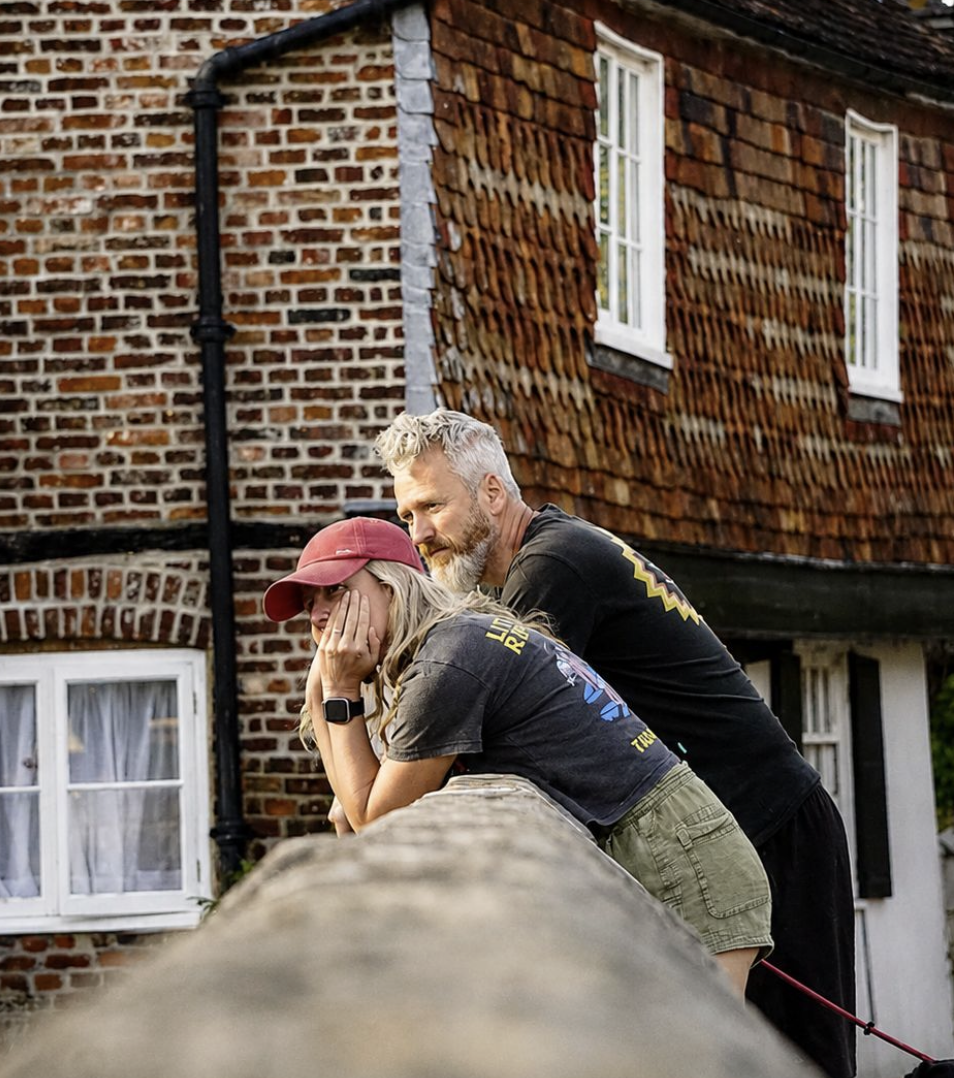
Kevin and Nicola Harrington, Chalke & Bourne

Landscape advice from someone who has been on both sides of the table.

Kevin Harrington spent years inside local government before founding Chalke & Bourne. That background shapes everything: how assessments are scoped, how findings are communicated, and how recommendations are framed so they are actually useful in decision making.

Nicola Harrington leads operations and client experience, bringing a background in programme management across government and healthcare environments. Projects are structured, clearly communicated, and delivered without drift.

Between them they cover the two things planning work needs most: technical credibility and reliable delivery.

Kevin Harrington CMLI MIEEM  ·  Chartered Landscape Architect  ·  Director
Nicola Harrington Operations & Client Experience  ·  Director

Who we work with & what we do

Who we work with

We support clients who need clear, independent landscape advice during the planning process.

  • Planning consultants
  • Developers
  • Architects
  • Landowners
  • Local authorities
Services

Landscape assessment and planning advice where landscape is a material consideration in decision making.

  • Landscape & Visual Impact Assessment (LVIA)
  • Landscape Visual Appraisal
  • Technical Notes
  • Landscape advice for planning submissions
  • LVIA chapters for Environmental Statements

Every commission is personally led by Kevin Harrington CMLI MIEEM. Fixed fees agreed before work begins.
Why Chalke & Bourne

01 Practical judgement

Advice shaped by managing and working with real landscapes, not just reporting on them.

02 Proportionate advice

We recommend the right level of assessment for the project, not the largest possible scope.

03 Personally led

Direct access to Kevin from first conversation through to final output.

04 Clear scope

Fixed fees agreed before work begins. No ambiguity later.

Ready to discuss your project?

Tell us about your site and we’ll review the information and confirm the most appropriate next step.

We respond to all enquiries within one working day.

PDF, JPG or PNG. Max 10MB per file.

Enquiry received.

Thanks for getting in touch. We’ll be back to you within one working day.

Get in touch directly

We respond to all enquiries within one working day and provide a fixed-fee proposal within three working days of receiving your site details.

Wiltshire / Hampshire / Dorset border

Existing client?

Log in to your client portal to upload documents, access reports and communicate securely.

Log in to Client Portal →

Landscape & Visual Impact Assessment

Understanding what landscape means for your planning application

An LVIA is used where landscape and visual effects may be a material consideration in planning decision making.

Its purpose is not simply to describe impacts, but to provide structured, proportionate professional judgement using GLVIA3 methodology.

The value lies in clarity: understanding what matters, what does not, and what level of assessment is actually required.

When an LVIA is appropriate

  • Development requires an Environmental Impact Assessment
  • Sites lie within or near designated landscapes
  • Proposals may affect sensitive views or visual receptors
  • Residential or commercial schemes extend into open countryside
  • Renewable energy developments require landscape assessment
  • Outline applications need landscape parameters defined

Where requirements are unclear, we advise on the appropriate level of assessment before work is commissioned.

How we work

Every commission is personally led by Kevin Harrington CMLI MIEEM.

With more than 25 years’ experience in landscape management and development contexts, Kevin focuses on ensuring assessments are proportionate, defensible and aligned with planning requirements.

Work typically includes site visits, landscape character review, viewpoint selection, visual analysis and structured assessment using GLVIA3 methodology.

Scope and fee are agreed upfront.

What we aim to deliver

An LVIA should do three things well:

  • Establish a clear understanding of the existing landscape and visual baseline
  • Identify the changes that will actually occur as a result of the proposal
  • Provide a reasoned, proportionate judgement of significance

We focus on producing assessments that are clear, defensible and useful in planning decision making.

Technical Note

A focused assessment of landscape and visual sensitivity for pre-application discussions or minor proposals.

Landscape Visual Appraisal

A desk and field-based assessment for schemes not requiring full LVIA methodology.

LVIA: EIA Chapter

A complete EIA chapter aligned to your Environmental Statement structure, including coordination with your EIA team.

See what a standard LVIA looks like

Download our example report to understand the structure, methodology and quality standard we apply to every assessment.

View example LVIA

Before you commission work

We always confirm scope before work begins.

If a full assessment is not required, we will say so.

If a more proportionate approach is appropriate, we will recommend it.

If we are not the right fit for the work, we will tell you early.

Send us your site information and we will confirm the appropriate level of landscape input and provide a fixed-fee proposal.

Founded on expertise.
Built on straight talking.

Kevin Harrington

CMLI MIEEM  ·  Chartered Landscape Architect  ·  Director

Kevin is a Chartered Member of the Landscape Institute and Full Member of CIEEM, with more than 25 years’ experience in landscape planning, assessment and land management, including senior roles at Test Valley Borough Council.

That experience has given him a practical understanding of how landscape considerations sit within real planning decisions, and how those decisions are made in practice.

His work spans residential development, public open space management, sports provision, SANG design, Biodiversity Net Gain and nitrate neutrality.

What defines his approach is not the volume of work produced, but the judgement behind it.

Kevin holds a Masters in Landscape Architecture with Distinction and has a published paper.

LinkedIn →

Nicola Harrington

Operations & Client Experience  ·  Director

Nicola leads operations, client experience and delivery.

With a background in programme and project management across government, national security and healthcare environments, she ensures projects are delivered clearly, efficiently and without unnecessary complexity.

She manages workflow, communication and scheduling so clients always know where things stand and technical work remains focused and consistent from start to finish.

LinkedIn →

Luna, Office Mascot

Luna

Office Mascot  ·  Chief Morale Officer

Luna is responsible for morale, perimeter monitoring and informal environmental oversight.

Duties include squirrel surveillance, snack timing optimisation and site visit supervision where appropriate.

Engagement levels remain high. Formal qualifications pending.

She does not respond to emails, but may attend site visits if snacks are available.

Clear scope. Fixed fees.
No surprises.

Planning work should be understood before it begins, not discovered during delivery.

All fees are fixed once agreed. The price quoted is the price paid.

How fees are set

Every project begins with a scoping review.

We assess the site, clarify planning requirements and confirm the appropriate level of landscape input before any work is commissioned.

Fees depend on site complexity, planning context, level of assessment required, number of viewpoints and programme requirements.

All confirmed upfront.

Service Description Fee guide
Technical Note Landscape sensitivity appraisal for pre-application or minor applications From £950
Landscape Visual Appraisal Desk-based and field assessment, no formal EIA methodology required From £1,800
LVIA Full GLVIA3-compliant Landscape and Visual Impact Assessment From £3,500
LVIA: EIA Chapter Standalone Environmental Statement chapter with full supporting material From £5,000

What you’re paying for

You’re not only commissioning a report.

You’re commissioning professional judgement on what level of landscape assessment is appropriate for your project, and what’s required to support a planning decision.

The value lies in doing the right amount of work, at the right time, for the right reason.

Before you commission work

We always confirm scope and fee before work begins.

If a full assessment is not required, we’ll say so.

If a more proportionate approach is appropriate, we’ll recommend it.

If we are not the right fit for the work, we’ll tell you early.

Send us your site information and we’ll confirm the appropriate level of landscape input and provide a fixed-fee proposal.

What separates a thorough LVIA
from a box-ticking one

Every Landscape and Visual Impact Assessment claims to follow GLVIA3. Far fewer actually demonstrate it.

Effects that change over time, not just at completion

A development’s visual impact in year one looks nothing like its impact in year fifteen, once mitigation planting has matured. We assess magnitude at construction, year one, and year fifteen for every viewpoint, so the planning authority sees the full trajectory of an effect, not just a snapshot.

Cumulative effects, properly considered

Your site is rarely the only scheme in the pipeline. We factor in other consented and pending developments in the area, because a planning officer’s first question is often what else is happening nearby, and an LVIA that cannot answer it invites delay.

Biodiversity Net Gain, integrated rather than bolted on

Landscape mitigation and BNG metrics should tell the same story. We cross-reference hedgerow retention, planting strategy, and habitat creation between the LVIA and the BNG assessment, so the two documents reinforce each other instead of contradicting one another at committee stage.

Delivery mechanisms, not just intentions

A Landscape and Ecology Management Plan only works if it is actually secured. We tie our recommendations to conditions or planning obligations from the outset, so there is no ambiguity about how mitigation gets delivered after consent.

A significance matrix you can actually see

Sensitivity and magnitude criteria should be shown, not just described. We present a clear matrix so reviewers, committees, and inspectors can trace exactly how each judgement was reached.

This is the standard we hold every assessment to, whether it is a five-dwelling infill or a multi-hundred-unit allocation.

If you would like to see how it applies to your site, get in touch for a scoping conversation, or look through the worked example below to see the standard in practice.

See the standard applied in full

Our example LVIA shows cumulative effects, a visible significance matrix, BNG cross-referencing, and viewpoint visualisation, all in one worked report.

View example LVIA